Preparing for a Mold-Free Spring: Essential Tips for Property Managers and Homeowners
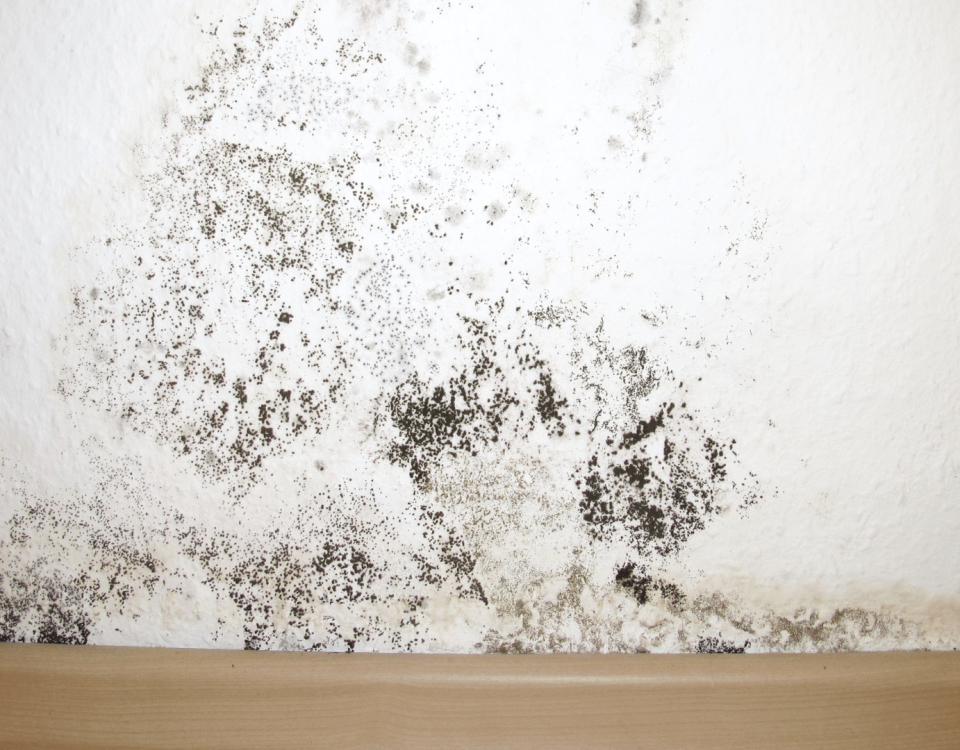
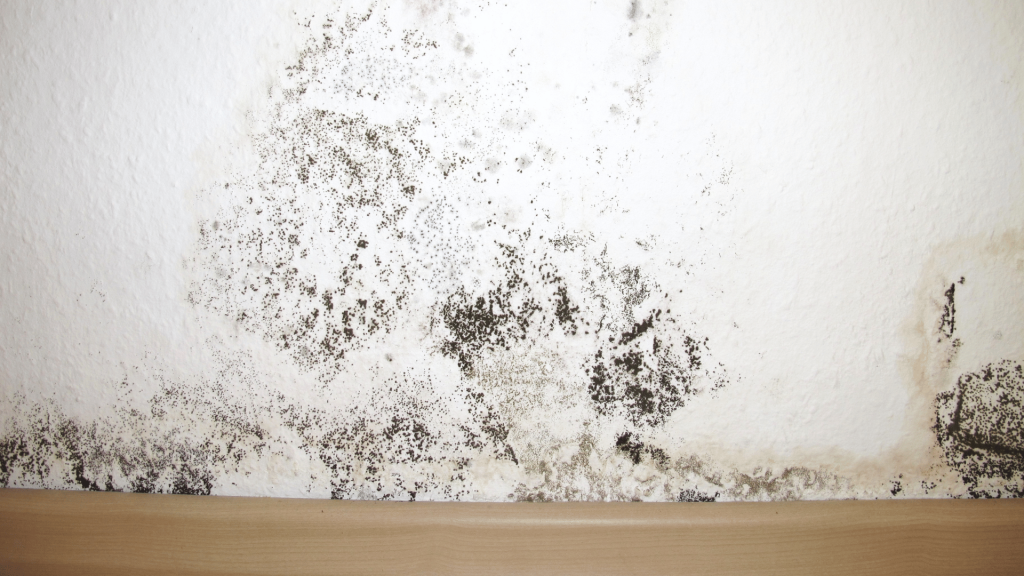
As winter gives way to spring, rising temperatures and increased moisture can create the perfect environment for mold growth. For property managers and homeowners alike, preparing your building now can help prevent unwanted mold issues when the weather warms up. Here are some practical strategies to ensure your property remains safe and mold-free throughout the spring season.
1. Inspect and Repair Roofs and Gutters
During winter, harsh weather conditions can damage roofs and gutters. Inspect these areas for leaks, blockages, or damage that may cause water intrusion. Clean gutters and downspouts to ensure proper drainage away from the building. By addressing these issues early, you prevent water accumulation that could lead to mold growth once spring rains begin.
2. Improve Ventilation
Proper ventilation is key to reducing indoor humidity, which is a major factor in mold growth. Open windows when weather permits, and ensure that ventilation systems in kitchens, bathrooms, and laundry areas are functioning correctly. For larger buildings, consider upgrading your HVAC systems or adding energy-efficient dehumidifiers to help maintain optimal humidity levels—ideally between 30% and 50%.
3. Check for Plumbing Leaks
Plumbing leaks, even minor ones, can create moist environments where mold thrives. Conduct a thorough inspection of all visible pipes, under sinks, and in basements. Repair any leaks immediately to prevent water damage and reduce the risk of mold formation. Regular plumbing maintenance not only saves you money on repairs but also protects your building’s air quality.
4. Address Condensation Issues
As temperatures rise, condensation can form on windows, walls, and pipes. This moisture may seem harmless at first, but over time, it can lead to mold growth. Use weather stripping and insulation to reduce condensation, and monitor indoor humidity levels with a hygrometer. If you notice persistent condensation, consider installing additional ventilation or dehumidification solutions.
5. Routine Cleaning and Maintenance
Regular cleaning is essential for mold prevention. Ensure that areas prone to moisture—such as basements, storage rooms, and HVAC systems—are kept clean and dry. Periodically check for signs of water damage, such as staining or peeling paint, and address them promptly.
Conclusion
Preparing your home or building for spring is all about proactive maintenance. By inspecting and repairing critical areas, improving ventilation, addressing leaks and condensation, and keeping your property clean, you can significantly reduce the risk of mold growth as the weather warms. Not only will these measures safeguard your property, but they will also ensure a healthier environment for everyone who lives or works in it.
Stay ahead of mold this spring—take action now to protect your investment and the well-being of your occupants.