What HPD Expects in a Lead Record Production Order (And How to Be Ready)
If you own or manage residential property in New York City, receiving a Lead Record Production Order (RPO) from the NYC Department of Housing Preservation & Development (HPD) can feel overwhelming. These requests are time-sensitive, highly detailed, and often misunderstood — yet they are one of the most common ways owners incur costly lead violations.
Understanding what an RPO is, what documents HPD requires, and how to prepare in advance can help you avoid penalties and unnecessary stress.
What Is a Lead Record Production Order?
A Record Production Order is HPD’s formal request for documentation proving that a property owner has complied with NYC’s lead-based paint laws, primarily under the NYC Childhood Lead Poisoning Prevention Act (Local Law 1 of 2004, et seq.).
HPD typically requests records covering the previous 10 years, and owners are usually given 45 days to submit the required documentation unless otherwise stated.
What Documents Does HPD Require?
When responding to an RPO, owners must be able to produce organized, complete records in the following categories:
1. Annual Lead Notice & Investigation Records
- Proof that annual lead-paint hazard notices were sent to tenants
- Tenant responses to those notices
- Records of completed annual visual inspections for deteriorated paint
2. Work & Remediation Records
- Documentation for any work correcting open or uncertified lead violations
- Proof of safe work practices used during paint-disturbing work
- Vacancy turnover records, including:
3. Lead Testing Records
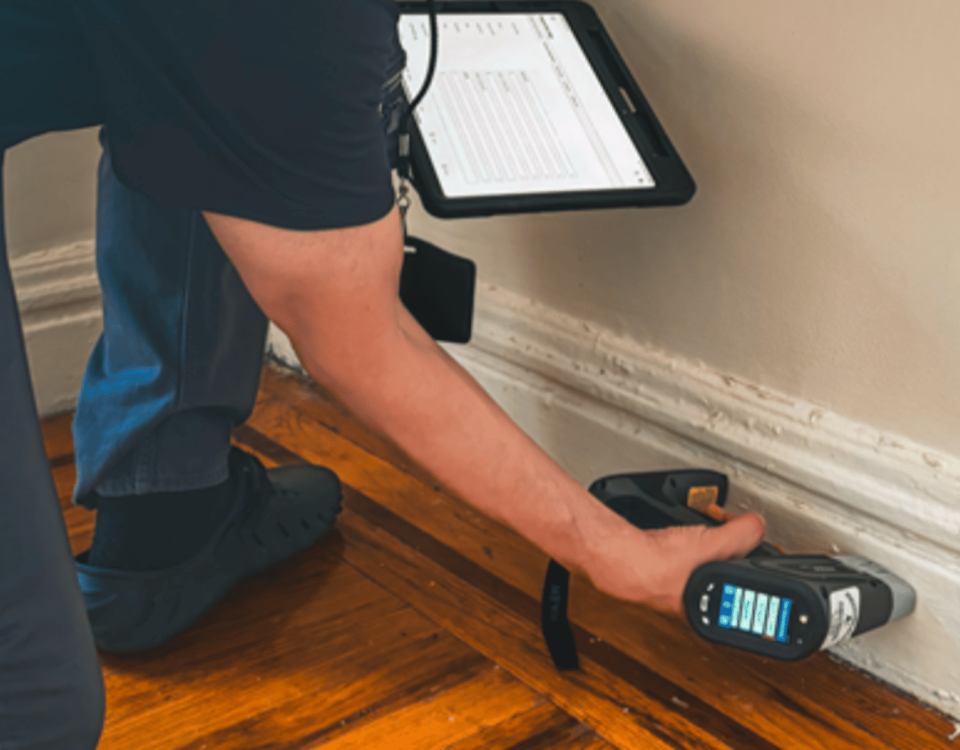
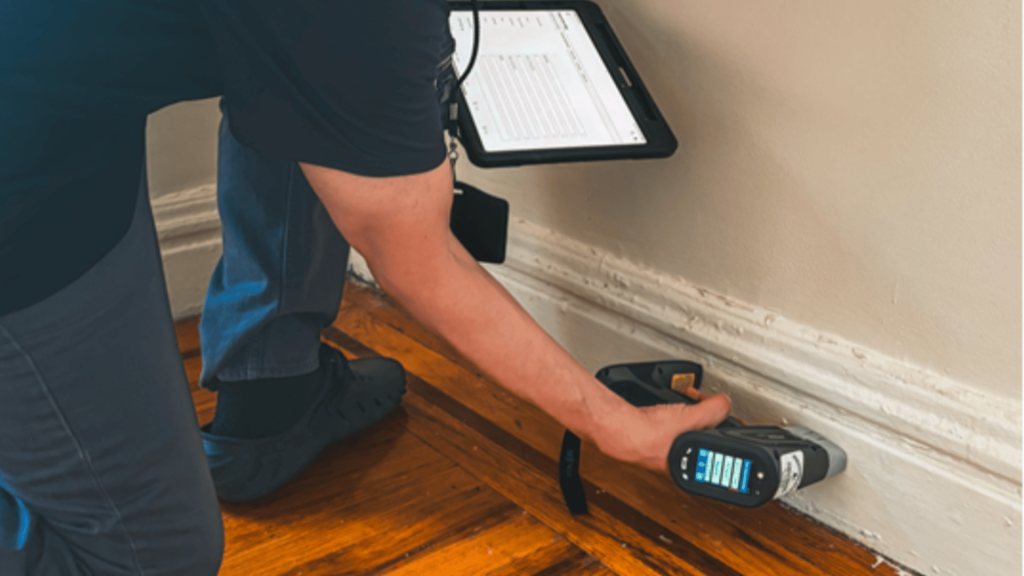
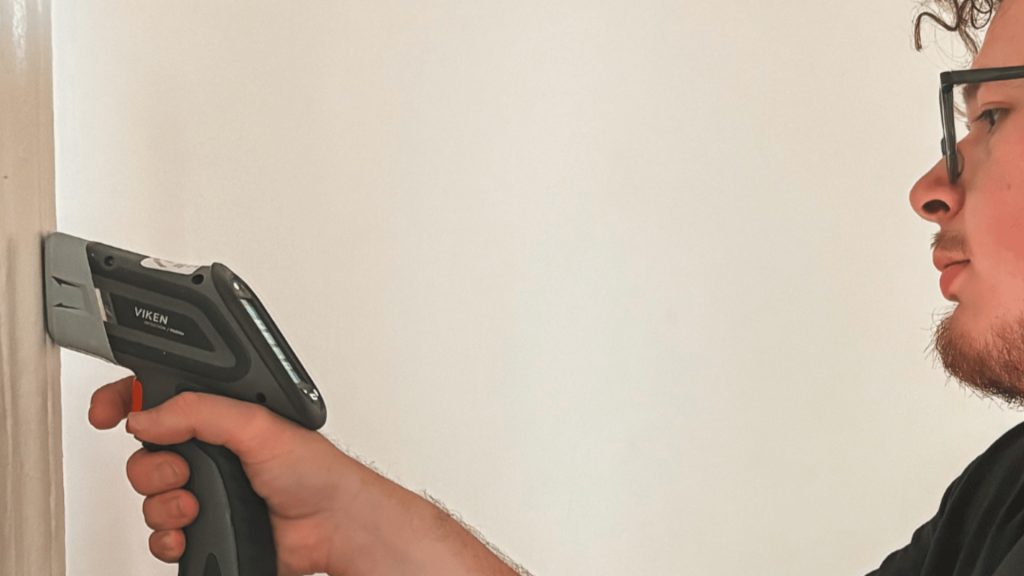
- XRF testing results for dwelling units and common areas
- Reports or affidavits from certified lead testing professionals
4. Required Affidavits
HPD often includes affidavits that must be completed and submitted with the RPO, such as:
- Affidavit of Records from a prior owner (if applicable)
- Inspector or dust wipe sampler affidavits
- Compliance affidavits from certified professionals
Why Documentation Matters
HPD reviews Record Production Orders very closely. If records are missing, incomplete, or not submitted by the deadline, owners may face:
- Immediately hazardous Class “C” violations
- Civil penalties ranging from $1,000 to $5,000
- Additional violations for failure to maintain required records
Even if work was performed correctly, lack of documentation can still result in violations.
Record Retention Requirements
NYC law requires owners to retain all lead-related records for at least 10 years. This includes notices, inspections, testing results, abatement documentation, and clearance reports.
Best Practices for Submitting an RPO
To improve the likelihood of acceptance:
- Organize records by year and by category
- Include signed and notarized affidavits as required
- Label all attachments clearly
- Provide a cover letter or index summarizing submitted documents
- Keep copies and submit with proof of delivery
How Jerome Environmental Services Can Help
At Jerome Environmental Services, we support property owners beyond inspections and abatement.
Our team helps:
- Review and organize lead compliance records
- Identify missing documentation before it becomes a violation
- Prepare and package RPO submissions
- Coordinate testing, remediation, and affidavits
- Ensure records are audit-ready and compliant
If you’ve received a Record Production Order — or want to prepare before one arrives — we’re here to help you navigate the process efficiently and confidently.
718-220-3350
Staying compliant isn’t just about doing the work — it’s about proving it.