Peak Season for Apartment Rental Turnovers in NYC: Understanding Local Law 1 for 1960s Buildings
As August comes to a close, New York City enters its peak season for apartment rental turnovers. This bustling period sees a significant increase in tenant movement, as leases end and new residents move in. For property owners and managers, this time of year brings both opportunities and challenges, especially concerning compliance with local regulations like Local Law 1. Understanding these requirements is crucial to ensuring a smooth and legal transition during vacancy turnovers, particularly for buildings constructed before 1960.
Understanding Local Law 1
Local Law 1, also known as the Childhood Lead Poisoning Prevention Act, mandates strict regulations to protect residents, especially children, from lead-based paint hazards in buildings built before 1960. These buildings are more likely to contain lead paint, which poses serious health risks if it deteriorates or is disturbed during renovations.
Key Requirements of Local Law 1 for Vacancy Turnovers:
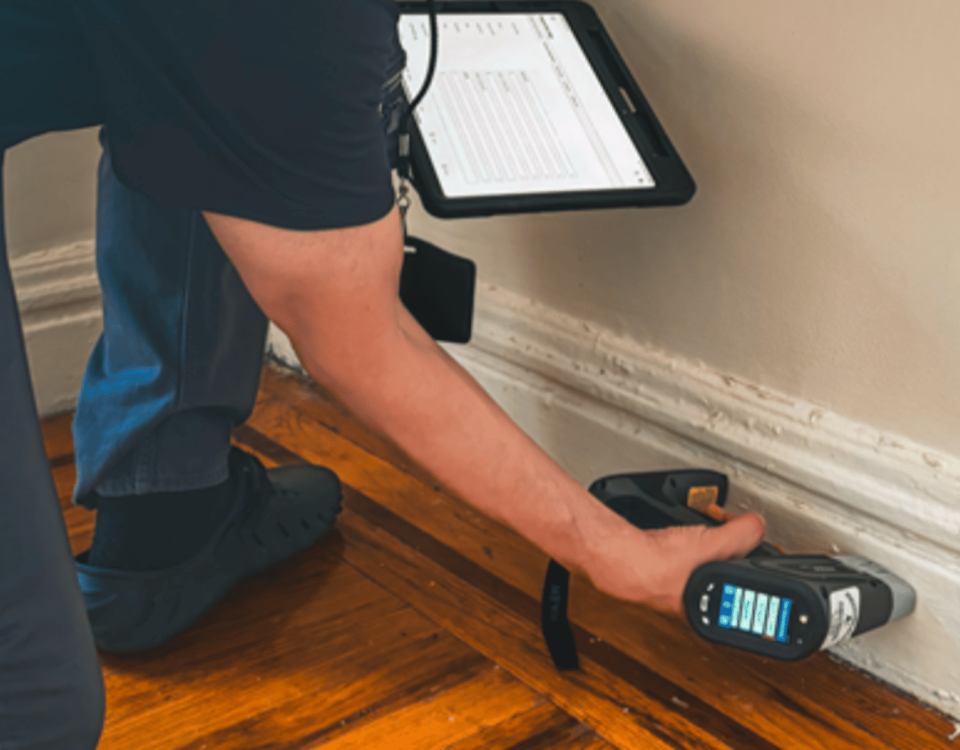
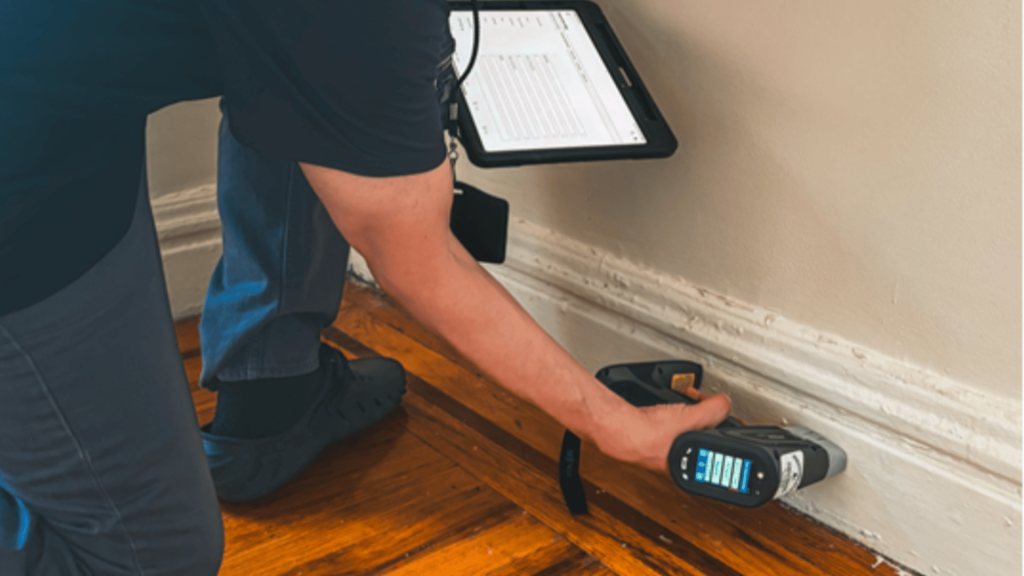
1. Lead Paint Inspection Before re-renting a vacant apartment in a pre-1960 building, property owners must inspect for lead-based paint hazards. This involves conducting a thorough visual inspection and using approved methods, such as X-Ray Fluorescence (XRF) analysis, to detect lead presence.
2. Remediation and Abatement If lead-based paint hazards are identified, property owners must remediate the affected areas before a new tenant moves in. This may involve encapsulating or enclosing lead paint, or in some cases, complete removal. All work must be performed by certified lead abatement professionals to ensure safety and compliance.
3. Documentation and Certification Property owners must maintain detailed records of inspections, remediation efforts, and any lead abatement work conducted. These records must be readily available for review by the Department of Housing Preservation and Development (HPD) upon request. Additionally, property owners should apply for exemptions for apartments that test negative for lead or have been fully abated.
Navigating Peak Season Turnovers
During the peak turnover season, property managers and owners face a heightened workload. Managing multiple vacancies and ensuring compliance with Local Law 1 can be daunting, but it is essential for protecting tenant health and avoiding legal repercussions.
1. Plan Ahead To streamline the turnover process, plan inspections and any necessary remediation work well in advance. By scheduling these tasks early, you can avoid delays and ensure that apartments are ready for new tenants without compromising safety or compliance.
2. Partner with Professionals Collaborate with certified lead inspection and abatement
professionals who are familiar with Local Law 1 requirements. Their expertise will help ensure that all inspections and remediation work are conducted accurately and efficiently, minimizing the risk of non-compliance.
3. Educate Tenants Inform incoming tenants about the measures taken to ensure their safety regarding lead-based paint hazards. Transparency builds trust and demonstrates your commitment to providing a safe living environment.
4. Maintain Records Keep meticulous records of all inspections, remediation efforts, and any communication with regulatory authorities. Proper documentation is essential for demonstrating compliance and can be invaluable if any disputes arise.
Conclusion
As the peak season for apartment rental turnovers unfolds in New York City, property owners and managers must navigate the complexities of Local Law 1, especially for buildings constructed before 1960. By understanding the requirements and implementing proactive measures, you can ensure a smooth transition for new tenants while safeguarding their health and meeting legal obligations. Planning ahead, partnering with professionals, and maintaining comprehensive records are key strategies for managing this busy period effectively and responsibly.